
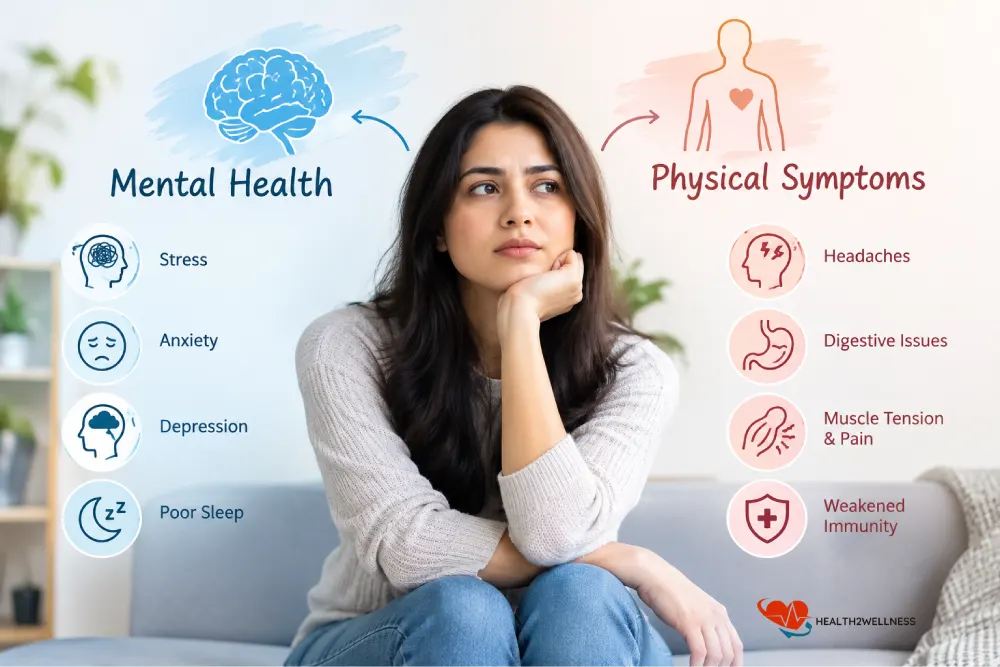
Have you ever noticed your stomach churning before an important presentation? Or perhaps you’ve experienced unexplained headaches during particularly stressful weeks? These aren’t coincidences—they’re your body speaking a language that many of us haven’t learned to interpret. The relationship between your mental state and physical health runs far deeper than most people realize, creating a complex web of interactions that can either support your wellbeing or undermine it.
Your mind and body aren’t separate entities operating independently. They’re intimately connected through intricate biological systems that constantly communicate with each other. When you understand this connection, you gain powerful insights into symptoms that might otherwise seem mysterious or frustrating.
Table of Contents
The Science Behind Mind-Body Communication
Your nervous system serves as the primary highway for mind-body communication. When you experience stress, anxiety, or depression, your brain doesn’t keep these feelings contained in your thoughts. Instead, it triggers a cascade of physiological responses throughout your entire body.
The hypothalamic-pituitary-adrenal (HPA) axis represents one of the most significant pathways connecting mental and physical health. When you perceive a threat—whether it’s a looming deadline or ongoing relationship conflict—your hypothalamus releases corticotropin-releasing hormone. This sets off a chain reaction that ultimately floods your system with cortisol, the primary stress hormone.
In short bursts, cortisol helps you respond effectively to challenges. It sharpens your focus, increases your energy, and prepares your body for action. However, when stress becomes chronic and cortisol levels remain elevated for extended periods, the consequences extend throughout your body. You might experience disrupted sleep patterns, weakened immune function, increased inflammation, digestive problems, and cardiovascular strain.
Your gut-brain axis provides another fascinating example of mind-body connection. Your gastrointestinal tract contains approximately 500 million neurons—sometimes called your “second brain.” These neurons communicate constantly with your central nervous system through the vagus nerve, creating a bidirectional information superhighway. This explains why anxiety can trigger nausea, why depression often accompanies digestive issues, and why gut health influences your mood.
Physical Manifestations of Mental Health Challenges
Depression doesn’t just make you feel sad—it can transform your physical experience of the world. You might notice persistent fatigue that doesn’t improve with rest, unexplained aches and pains throughout your body, changes in appetite and weight, and a general sense of heaviness or sluggishness. Some people describe depression as feeling like they’re moving through thick fog or carrying invisible weights.
These physical symptoms aren’t “all in your head”—they’re real physiological responses to changes in brain chemistry. Depression alters neurotransmitter levels, particularly serotonin, dopamine, and norepinephrine, which influence not only mood but also pain perception, energy levels, and physical sensation.
Anxiety manifests physically in equally concrete ways. Your heart might race even when you’re sitting still. You might experience chest tightness, shortness of breath, dizziness, or trembling. Muscle tension becomes chronic, leading to headaches, jaw pain from teeth grinding, and back or neck discomfort. Your hands might sweat excessively, your stomach might feel constantly unsettled, and you might find yourself needing to use the bathroom more frequently.
These symptoms occur because anxiety activates your sympathetic nervous system—your fight-or-flight response. Your body genuinely believes it’s facing danger and prepares accordingly, even when the threat exists only in your thoughts about the future or interpretations of social situations.
When Physical Symptoms Mask Mental Health Conditions
Many people visit their primary care physician repeatedly for physical complaints without realizing these symptoms stem from underlying mental health conditions. You might undergo extensive medical testing for chronic pain, digestive issues, or fatigue, only to have doctors find nothing physically wrong. This doesn’t mean you’re imagining your symptoms—it means the root cause is psychological rather than purely physiological.
This pattern becomes particularly complex when substance use enters the picture. Some people initially turn to alcohol, prescription medications, or other substances to self-medicate physical discomfort, not recognizing that mental health issues are driving those physical sensations. Over time, substance use creates its own physical symptoms while potentially worsening the underlying mental health condition, creating a cycle that becomes increasingly difficult to break without professional support.
Recognizing co-occurring conditions—when mental health challenges and substance use disorders exist simultaneously—is crucial for effective treatment. Organizations like Agape Behavioral Healthcare specialize in addressing both aspects together rather than treating them as separate issues, acknowledging that true healing requires an integrated approach to both the psychological and physical dimensions of these interconnected challenges.
The Impact of Trauma on Physical Health
Trauma leaves particularly profound physical imprints on your body. Whether you’ve experienced a single traumatic event or prolonged exposure to threatening situations, your body remembers these experiences at a cellular level. This phenomenon, sometimes called “the body keeps the score,” means that trauma can manifest years later through chronic pain, autoimmune conditions, cardiovascular problems, and other physical ailments.
Post-traumatic stress disorder (PTSD) demonstrates this mind-body connection powerfully. Beyond the psychological symptoms like flashbacks and hypervigilance, PTSD frequently causes chronic muscle tension, gastrointestinal problems, headaches, and a heightened startle response. Your nervous system remains stuck in a state of high alert, constantly scanning for danger even in safe environments.
Childhood trauma creates particularly lasting physical effects. Adverse childhood experiences (ACEs) have been linked to increased risk for heart disease, diabetes, cancer, and other chronic conditions in adulthood. The chronic stress of an unstable or threatening childhood environment literally changes how your body develops and functions, affecting everything from inflammatory responses to cardiovascular health.
Chronic Pain and Mental Health: A Bidirectional Relationship
If you live with chronic pain, you’ve probably noticed how it affects your mood. Persistent pain can lead to depression, anxiety, and feelings of hopelessness. But the relationship works in both directions—depression and anxiety can actually intensify your perception of pain and make existing pain conditions worse.
Your brain processes both physical pain and emotional distress in overlapping neural pathways. This explains why emotional pain can feel physically painful and why chronic physical pain takes such a toll on mental health. The anterior cingulate cortex and the insula—brain regions involved in processing physical pain—also activate during experiences of social rejection, grief, and emotional suffering.
This bidirectional relationship creates challenging cycles. Pain limits your ability to engage in activities that support mental health, like exercise, social connection, and hobbies you enjoy. As your mood declines, your pain tolerance decreases and your pain perception intensifies. Breaking this cycle requires addressing both the physical and psychological aspects simultaneously.
Sleep: The Bridge Between Mental and Physical Health
Sleep disturbances illustrate the mind-body connection perhaps more clearly than any other symptom. Mental health conditions frequently disrupt sleep—anxiety makes it difficult to fall asleep as your mind races, depression can cause either insomnia or excessive sleeping, and trauma-related nightmares fragment your rest.
Poor sleep, in turn, worsens mental health symptoms and creates numerous physical health problems. Even a single night of inadequate sleep affects your immune function, glucose metabolism, cardiovascular health, and inflammatory markers. Chronic sleep deprivation contributes to obesity, diabetes, heart disease, and shortened lifespan.
Your sleep quality also affects how you process emotions and cope with stress. During REM sleep, your brain processes emotional experiences and consolidates memories. When this process is disrupted, you become more emotionally reactive, less able to regulate your mood, and more vulnerable to developing or worsening mental health conditions.
Inflammation: The Physical Manifestation of Mental Distress
Researchers have discovered that depression and chronic stress trigger inflammatory responses throughout your body. This inflammation isn’t just a side effect—it may actually contribute to the development and persistence of mental health conditions.
When you experience chronic stress or depression, your immune system releases pro-inflammatory cytokines. These signaling molecules create inflammation that was originally designed to help fight infections and heal injuries. However, when inflammation becomes chronic, it contributes to numerous health problems including cardiovascular disease, diabetes, autoimmune conditions, and even neurodegenerative diseases.
This inflammatory response also affects your brain function. Inflammation can impair the production and function of neurotransmitters, reduce neuroplasticity (your brain’s ability to form new connections), and even damage brain structures involved in mood regulation and memory. This creates another feedback loop where mental health challenges trigger inflammation, which then worsens mental health symptoms.
Recognizing When Physical Symptoms Signal Mental Health Concerns
How do you know when physical symptoms might be rooted in mental health challenges? Several patterns can provide clues. If you’ve undergone thorough medical evaluation without finding a clear physical cause for your symptoms, it’s worth considering psychological factors. If your symptoms worsen during times of stress or improve when you’re relaxed and engaged in enjoyable activities, this suggests a mind-body connection.
Multiple unexplained symptoms affecting different body systems—such as headaches, digestive problems, and muscle pain occurring together—often point toward mental health factors. Similarly, if physical symptoms appeared or intensified following significant life stressors, trauma, or losses, the connection to your emotional state deserves exploration.
Pay attention to whether your physical symptoms improve with treatments for mental health conditions. Many people find that when they address underlying anxiety or depression, their physical symptoms diminish significantly—sometimes more effectively than when they tried treating the physical symptoms directly.
Practical Strategies for Supporting Both Mental and Physical Health
Understanding the mind-body connection empowers you to take steps that support both aspects of your wellbeing simultaneously. Regular physical activity stands out as one of the most powerful interventions. Exercise reduces inflammation, improves sleep, releases endorphins, and provides a healthy outlet for stress and tension. You don’t need intense workouts—even daily walks can provide significant benefits.
Mindfulness practices help you develop awareness of how your thoughts and emotions manifest in your body. Through meditation, deep breathing, or body scan exercises, you learn to notice tension, discomfort, or other physical sensations early, before they become chronic problems. This awareness also helps you recognize patterns connecting your mental state and physical symptoms.
Nutrition affects both your physical health and mental wellbeing. Your brain requires specific nutrients to produce neurotransmitters that regulate mood. The gut-brain axis means that supporting digestive health through a balanced diet rich in fiber, fermented foods, and diverse plant foods can positively influence your mental state.
Social connection provides both emotional support and physical health benefits. Strong relationships reduce inflammation, strengthen immune function, and help regulate stress responses. Even when depression or anxiety makes you want to isolate, maintaining connections—even through brief phone calls or messages—supports your overall health.
When to Seek Professional Support
While self-care strategies provide valuable support, some situations require professional intervention. If physical symptoms significantly interfere with your daily functioning, if you’re using substances to cope with either physical or emotional discomfort, or if you’re experiencing thoughts of self-harm, reaching out for professional help becomes essential.
Effective treatment for mind-body health challenges often requires an integrated approach. This might include therapy to address underlying mental health conditions, medical care for physical symptoms, and sometimes medication to help regulate brain chemistry or manage pain. The most successful outcomes typically occur when providers coordinate care and address both mental and physical aspects together.
If you’ve been treating physical symptoms without success, consider consulting with a mental health professional. Similarly, if you’re addressing mental health challenges but still experiencing significant physical symptoms, working with providers who understand the mind-body connection can help you develop a more comprehensive treatment plan.
Moving Forward with Integrated Awareness
Recognizing the connection between your mental and physical health doesn’t mean dismissing physical symptoms as “just psychological.” Rather, it means understanding that your mind and body form an integrated system where each aspect influences the other. This perspective opens new possibilities for healing and wellbeing.
When you notice physical symptoms, ask yourself what else is happening in your life. Are you under unusual stress? Have you experienced recent losses or changes? Are you getting adequate sleep and social connection? These questions don’t replace medical evaluation—they complement it by providing a fuller picture of what your body might be communicating.
Similarly, when you’re struggling with mental health challenges, pay attention to how these manifest physically. Notice where you hold tension, how your energy levels fluctuate, and what physical sensations accompany different emotional states. This awareness helps you intervene earlier and more effectively.
Your body and mind are constantly working together to maintain your wellbeing. By honoring this connection and addressing both aspects of your health, you create the foundation for genuine, lasting wellness. Whether through professional treatment, lifestyle changes, or a combination of approaches, integrating mental and physical health care represents not just good medicine—it represents a more complete understanding of what it means to be human.
The journey toward better health isn’t always straightforward, but understanding the mind-body connection provides you with valuable insights and tools. Your physical symptoms aren’t separate from your emotional experience, and your mental health isn’t isolated from your physical condition. They’re different expressions of your overall wellbeing, each deserving attention, compassion, and appropriate care.
Understanding the Hidden Connection Between Mental Health and Physical Symptoms