
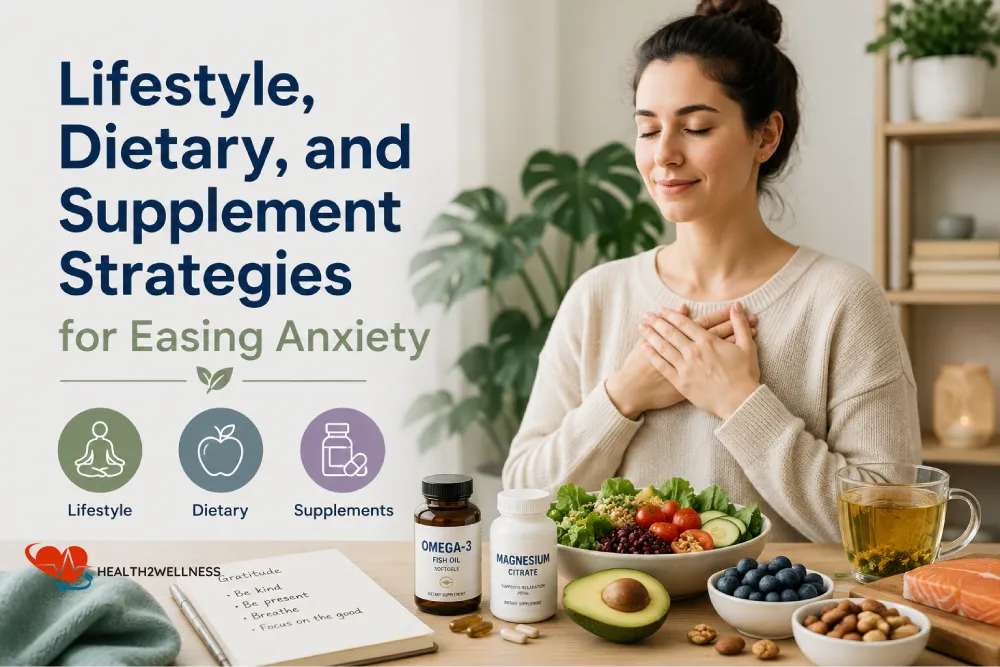
Anxiety is a common emotional response, but when it becomes excessive or persistent, it can interfere with daily life. Below are practical, evidence-informed approaches to managing anxiety through lifestyle changes, dietary adjustments, and supplementation.
Table of Contents
Lifestyle Adjustments
Shifting everyday behavioral patterns can help guide the body from a state of heightened tension back toward equilibrium.
Exercise regularly. Physical activity helps reduce cortisol levels—a hormone closely tied to the stress response. Aim for three to four sessions of aerobic exercise per week, around 30 minutes each, such as brisk walking, jogging, or swimming. During exercise, focusing on bodily movements can also help break the cycle of repetitive, anxious thinking.
Regulate your breathing. Your breathing pattern directly influences your autonomic nervous system. A commonly used technique is to extend your exhale: inhale through your nose for four seconds, hold for seven, then exhale slowly through your mouth for eight seconds. This method activates the vagus nerve and helps lower heart rate. When anxiety strikes, run through three to five rounds of this cycle.
Prioritize sleep. Lack of sleep worsens anxiety, and anxiety in turn disrupts sleep. Try to go to bed and wake up at the same time each day—even on weekends. Expose yourself to natural light soon after waking to help regulate your internal clock. Also, cut back on screen time in the hour before bed.
Reduce stimulants. Caffeine stimulates the central nervous system and can trigger palpitations and jitteriness. Alcohol may feel relaxing in the moment, but once metabolized, it disrupts sleep and can cause mood swings. If you’re prone to anxiety, consider cutting back or eliminating caffeine altogether.
Dietary Choices
The gut is often called the “second brain” because it communicates directly with the brain via the gut–brain axis. In fact, about 90% of serotonin—a neurotransmitter that promotes calm—is produced in the gut, not the brain.
Stabilize blood sugar. Sharp blood sugar swings can trigger the release of adrenaline and cortisol, producing symptoms like heart palpitations and sweating that mimic anxiety. Avoid consuming sugary drinks, pastries, or refined carbs on an empty stomach. Instead, pair each meal with a balance of protein, complex carbohydrates, and healthy fats—for example, eggs with oatmeal or fish with brown rice—to keep blood sugar steady.
Increase anti-inflammatory foods. Chronic inflammation can affect brain function and has been linked to anxiety. Fatty fish like salmon and sardines are rich in omega-3s, while dark leafy greens provide magnesium—both of which support nervous system regulation. At the same time, limit ultra-processed foods.
Support gut health. The gut and brain are in constant communication through the gut–brain axis, and about 90% of serotonin is produced in the digestive tract. Including fermented foods like unsweetened yogurt, kefir, and kimchi can increase microbial diversity, while fiber-rich foods such as oats, asparagus, and onions provide fuel for beneficial gut bacteria.
Supplements
Always consult a healthcare provider before starting any supplement, especially if you’re taking prescription medications. Supplements generally work by filling nutritional gaps or directly influencing neurotransmitter metabolism. For anxiety, the following have strong research support:
Magnesium: Magnesium supports GABA receptor function—GABA is an inhibitory neurotransmitter that helps dial down nervous system overactivity. The Magnesium glycinate is gentle on the stomach and works well when taken before bed.
L-theanine: An amino acid found in green tea, L-theanine crosses the blood–brain barrier and promotes the release of GABA and serotonin. It doesn’t cause drowsiness or dependence, making it a good option for those who feel overstimulated and struggle to quiet their mind.
Omega-3 fatty acids: The EPA component of omega-3s has anti-inflammatory properties. Choose a fish oil supplement with a higher EPA content for mood support.
Ashwagandha: This adaptogenic herb has been shown to lower serum cortisol levels with long-term use. It may be especially helpful for people who feel physically drained but mentally wired from chronic stress. Those with hyperthyroidism should use it with caution.
Vitamin D and B-complex vitamins: Low vitamin D levels have been associated with anxiety. B vitamins are involved in the synthesis and metabolism of neurotransmitters, and during high-stress periods, active forms of B vitamins may be particularly beneficial.
Putting It Into Practice
A step-by-step approach can make these changes more manageable: Start by cutting back on sugary beverages and caffeine. Next, establish a consistent exercise and sleep routine, and get natural light exposure in the morning. Then, adjust your diet—begin with swapping your breakfast for a protein- and complex-carb-rich meal. Finally, if you choose to use supplements, consider starting with magnesium glycinate and L-theanine.
If your anxiety is severe enough to interfere with daily functioning, or if you experience panic attacks, persistent insomnia, or thoughts of self-harm, please seek care from a psychiatrist or mental health professional without delay.