
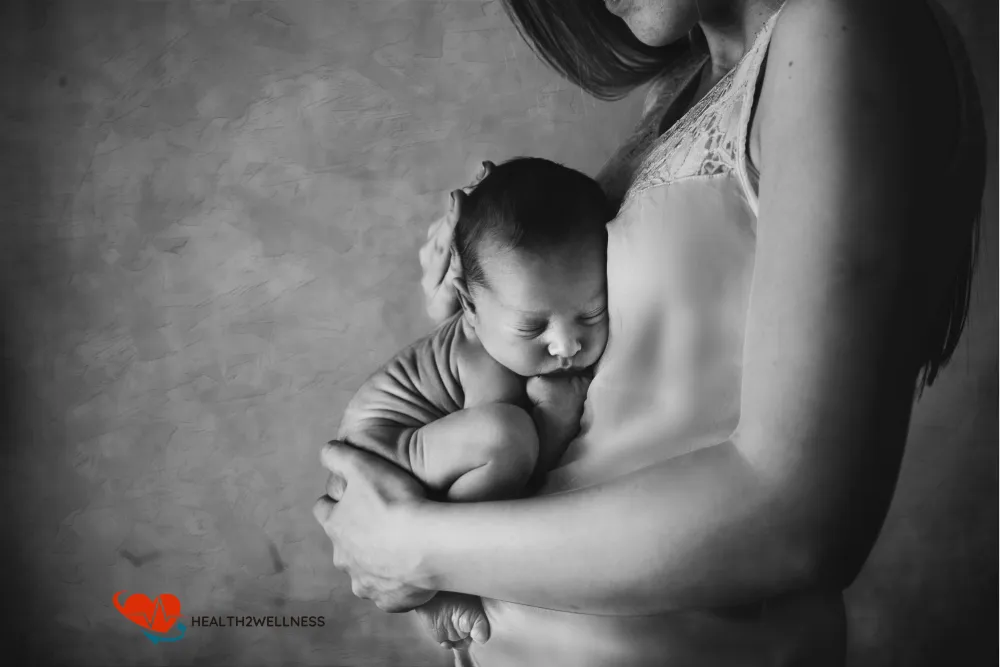
Childbirth is a profound, life-altering experience. But as varied as the stories of labor and delivery are, one element is consistent: personalization holds immense significance. Crafting a personal birth story can simultaneously be a comforting reminder of your strength and a unique narrative to share with your loved ones. It all starts in your safe space — the place, real or imagined, where you feel most at ease.
Table of Contents
The Power of Setting
“Where your birth unfolds can shape the experience,” some experts claim. Hospitals are known for their resources and skilled professionals, and some mothers find solace in this structure. Others pursue the familiarity of home births, their sanctuaries framed by the intimacy of their surroundings. The choice of where to give birth isn’t arbitrary. It’s about finding that balance between medical needs and emotional comfort, where only you can define your perfect scenario. This setting shapes your birth story, making it inherently personal.
In particular, birthing within the comfort of your home offers the unique advantage of immersive familiarity. For those in Minneapolis, exploring Minneapolis homebirth options can seamlessly blend professional support with the tranquility of home. Being in one’s personal space often amplifies the sense of ease and control, laying a foundation for a reflective and empowering experience.
Beyond medical or comfort considerations, the chosen setting often influences your mental state. Imagine the serenity of familiar walls or the reassurance of knowing that help is just a button away. These factors might seem minor, but they can calm anxieties and foster a peaceful mindset, central to a smoother birthing process. Even simple elements like the sound of birds chirping or sunlight filtering through curtains can create a more relaxed atmosphere, potentially influencing your narrative.
Trusting Your Instincts
Consulting medical professionals is sensible, yet instinct often tells us much about personal needs during childbirth. Feeling empowered means feeling heard; this is key. Experts might offer guidance, but your instincts provide the strongest compass. Letting those instincts guide is vital as it allows one to reclaim ownership over the miracle of childbirth.
Listening to your inner voice doesn’t just apply to health decisions but also to managing emotions. Recognizing when you need quiet, reassurance, or even humor can guide how you navigate each moment. Becoming attuned to these needs helps develop a more resilient mindset, supporting you through moments of vulnerability and amplifying the joy found in the process.
The People Who Ground You
The people present during labor form a core aspect of your birth story. Whether it’s a close friend, a devoted partner, or a trusted midwife, these individuals need to resonate with you on an emotional level. Each presence carries energy that interacts with and influences your experience.
Some prefer the company of a single confidant, finding reassurance in focused attention. Others thrive with a small group, drawing on the collective support and shared experiences. This choice, reflective of your comfort, significantly shapes the narrative of your birth, leaving an indelible imprint on the story you’ll tell.
Your support network not only bolsters you physically but also offers emotional sustenance. The touch of a loved one’s hand, words of support whispered in moments of doubt, and shared tears or laughter, collectively transform the birth story into a tapestry of shared experiences that bind relationships tighter while enriching your personal narrative.
Framing the Tale
Language molds our perceptions, turning moments into memories. Crafting your birth story means not just recounting facts but capturing emotions. The highs and lows, calm and chaos, each facet enriches your story, making it a treasured keepsake.
There’s no blueprint to telling your story. Metaphors may paint vivid pictures, while simple words may convey profundity that readers will feel. By framing your experiences through your eyes and emotions, the resulting birth story becomes a singular piece littered with nuanced layers of meaning.
Writing your story becomes therapeutic, a chance to reflect on the strength displayed during vulnerable moments and remember tiny details that might otherwise fade. This introspection enables you to better appreciate your journey, and writing it down becomes an act of preserving a legacy for future generations.
Creating Connections
Ultimately, sharing your birth story creates bonds. Others will connect with your words, drawing parallels with their experiences and finding comfort in shared humanity. Your narrative grants you authenticity and lends others the courage to create theirs. As birth is an unpredictable journey, these accounts serve to educate, reassure, and inspire. Each story becomes a thread in a larger tapestry, weaving connections between mothers everywhere.
The exchange of these narratives encourages understanding and empathy, bridging gaps of difference through shared emotions. For many, these stories validate their feelings, reinforcing that others have walked similar paths and emerged with wisdom to share. This communal aspect of storytelling enriches the fabric of collective wisdom around birth.
Final Words
Choosing to craft your birth story within the safety of a personified safe space allows you to own your narrative. This entails consciously picking locations, trusting instincts, selecting your support, and choosing how to internalize and share your experiences. Birth isn’t just about the moment; it is an intimate creation of a story that will echo through time, serving as a testament to the strength of a mother.