


Stress has become a common part of everyday life, whether it comes from work pressure, personal responsibilities, or a busy routine. While occasional stress is normal, ongoing stress can affect your mood, sleep, energy levels, and overall well-being. The good news is that you don’t need an expensive gym membership or a complicated workout plan to start feeling better. Regular physical activity can help reduce stress, release tension, and improve your mood naturally. From walking and yoga to cycling and simple stretching, the right exercises can help you feel calmer and more refreshed. In this guide, we’ll explore the top 5 exercises that help relieve stress, explain their potential benefits, and show you how to include them in your daily routine for better mental and physical well-being.
Exercise courses your body to send out neural transmitters such as Serotonin, Dopamine, and adrenaline, which contribute to your well-being and happiness. Endurance sports are proven to lowered activity in the prefrontal cortex, where emotional stimuli are transformed into actual conscious feelings. The very periodical nature of many sports such as jogging, cycling, and swimming is known to have a very calming effect. However, ultimately, your choice should be made what you enjoy most. If you have fun with what you are doing. It is so much easier to make exercise a habit and introduce it into your life routine.
Table of Contents
Cardio Exercise

Cardio exercises are a great way to relieve stress, boost your mood, and support overall health. Activities such as brisk walking, jogging, cycling, swimming, and dancing increase your heart rate and help your body release endorphins, which are associated with improved mood and well-being.
Regular cardiovascular exercise may also help reduce feelings of tension, improve sleep quality, and increase energy levels. You don’t need to perform an intense workout to experience the benefits. Even 20–30 minutes of brisk walking or light jogging can be a helpful starting point.
How to get started:
- Begin with 10–15 minutes of brisk walking or gentle cycling.
- Gradually increase the duration as your fitness improves.
- Choose an activity you enjoy so you can stay consistent.
- Focus on a comfortable pace and combine exercise with steady breathing.
Pro tip: Try exercising outdoors in a park or another peaceful setting. Combining physical activity with time in nature may help you feel more relaxed and refreshed.
Breathing Exercise
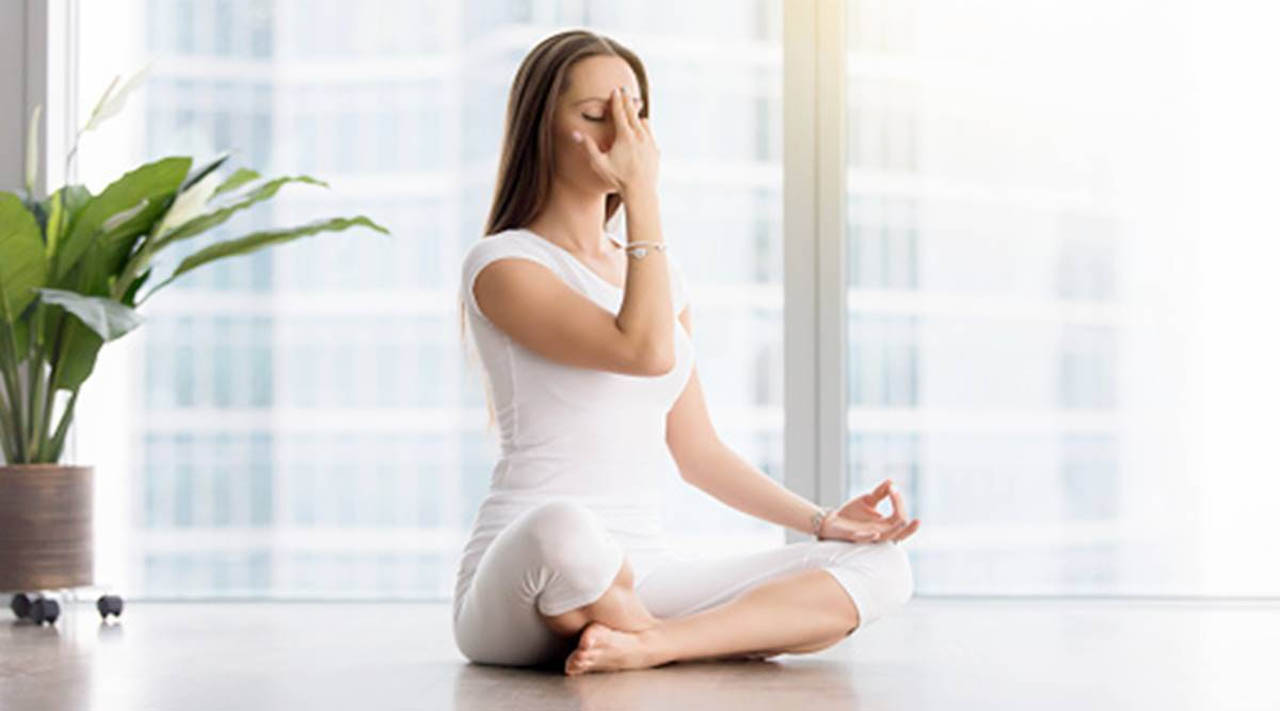
Pranayama (Breathing exercises) are known and proven to be one of the most effective exercises to relieve stress and anxiety. It lowers your heart rate, maintains your blood pressure, increases your energy levels, and, most importantly, decreases anxiety and stress, and improves sleep and a more focused mind. These exercises release toxins and detoxify your body and help your body and mind relax and release tension. It elevates the positive aura around you.
Meditation
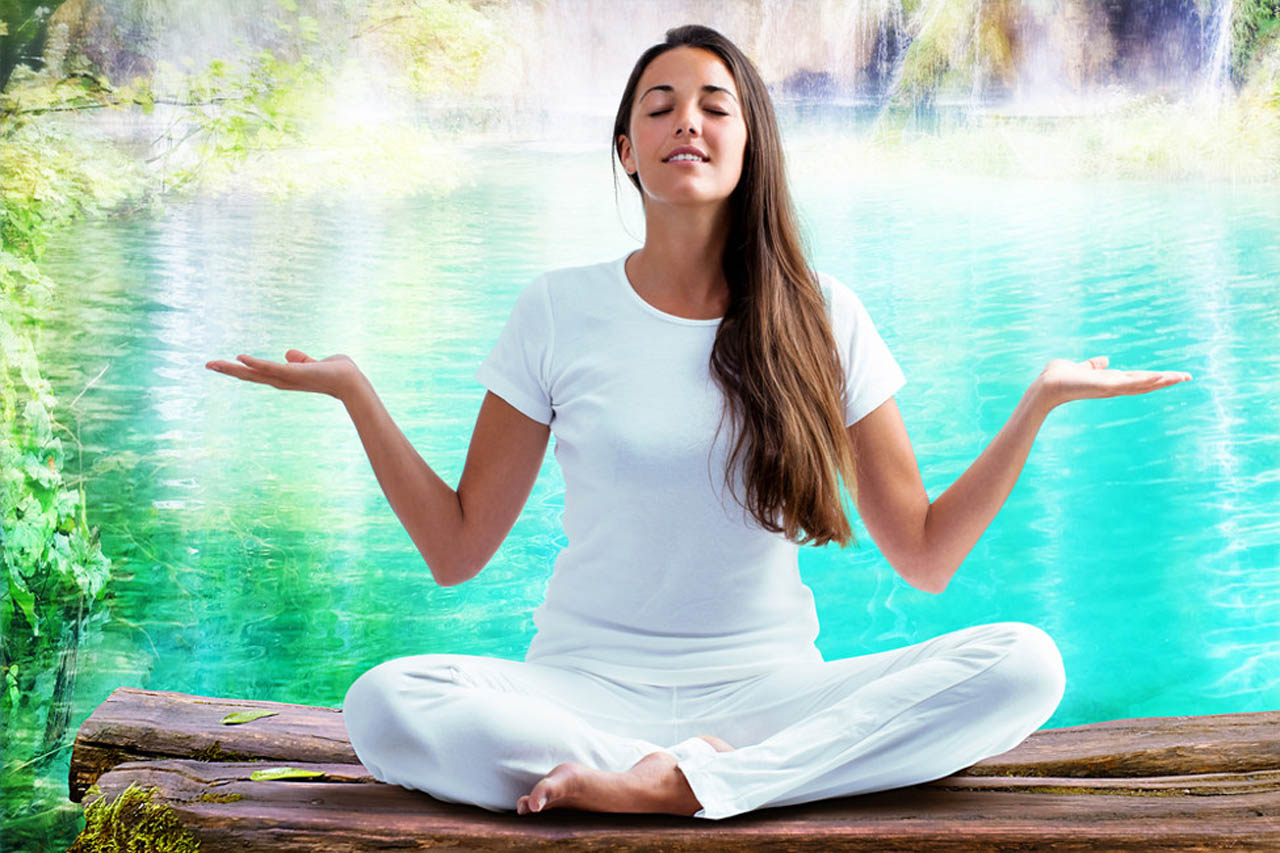
Reducing stress doesn’t demand significant changes in lifestyle. When we feel under pressure or stressed, our bodies produce a cortisol hormone, which leads to stress and anxiety. Meditation productively helps with stress by reducing the side effects of the cortisol hormone. A study shows that regular meditation lowered stress more than almost every single medical or psychological treatment.
Yoga
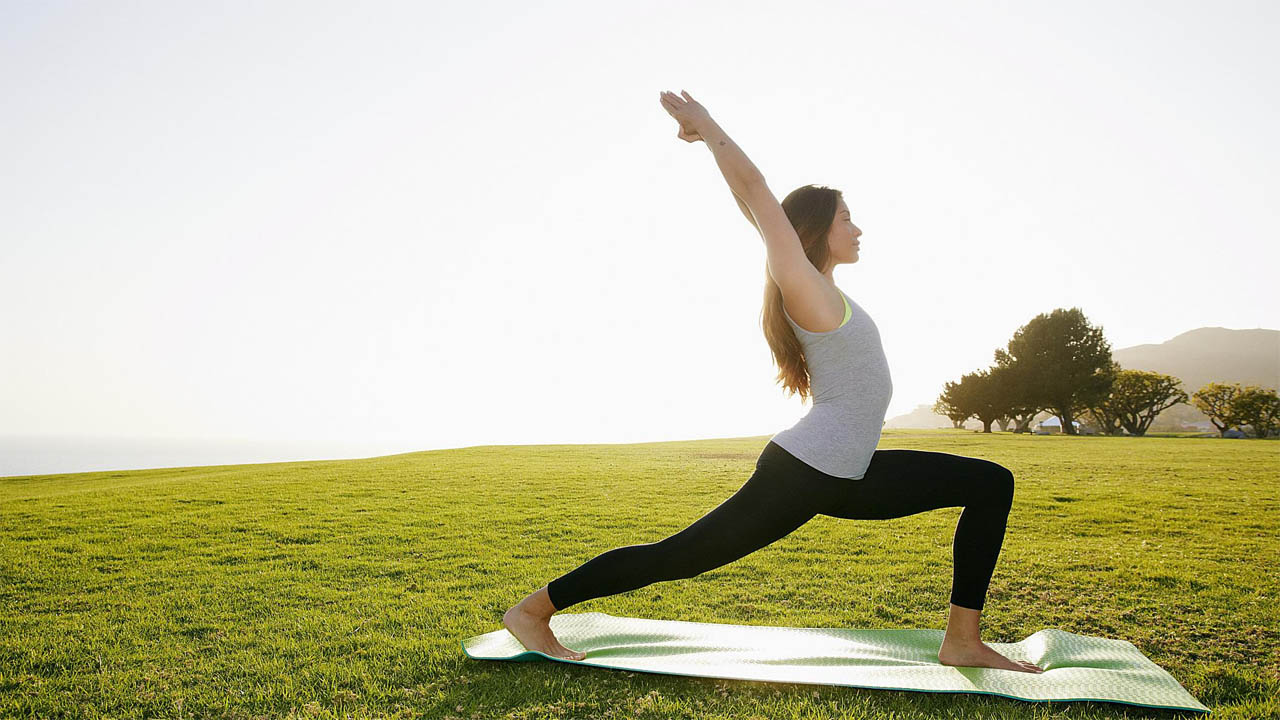
Few minutes of yoga every day will make you more mentally alert, happier, and healthier. There are plenty of studies that demonstrate yoga’s potential for reducing stress. Oxford University quotes that people who practice yoga even once a week were less stressed, have lower blood pressure issues, and slept better at night.
Sports

It is well accepted that sports are good for our bodies and minds. The natural hormones that control pain and pleasure responses in the central nervous system; can lead to feelings of euphoria or what’s often called a runner’s high. The underdog’s victory over the favored team, the last-minute penalty shot that wins the tournament, the high energy training montages can improve your mood & memory and sharpen your focus and provide significant psychological benefits.
Conclusion
Managing stress doesn’t always require major lifestyle changes. Including the top 5 stress-relieving exercises in your daily routine can help improve your mood, reduce tension, and support better physical and mental well-being. Activities such as cardio exercise, walking, yoga, stretching, and other forms of movement offer simple ways to take a break from daily pressures and feel more refreshed.
The key is to choose exercises that suit your fitness level, schedule, and personal preferences. Start with a few minutes each day and gradually build a routine that feels comfortable and sustainable. Remember, consistency matters more than intensity. While exercise can be an effective way to manage everyday stress, it is not a substitute for professional support when stress becomes overwhelming or persistent.
Make time for movement, listen to your body, and take small steps toward a healthier, calmer lifestyle.
Frequently Asked Questions (FAQs)
1. What are the best exercises to relieve stress?
Some of the best exercises for stress relief include cardio, brisk walking, yoga, stretching, and swimming. These activities can help improve mood, reduce tension, and support overall mental well-being.
2. How does exercise help reduce stress?
Exercise can help reduce stress by releasing endorphins, improving mood, easing muscle tension, and supporting better sleep. Regular physical activity may also help you manage everyday challenges more effectively.
3. How long should I exercise to relieve stress?
Start with 10–15 minutes of physical activity daily and gradually increase the duration. Even a short walk can help you feel refreshed. Aim for around 150 minutes of moderate-intensity exercise per week, as recommended for general adult health.
4. Is cardio exercise good for stress relief?
Yes, cardio exercises such as walking, jogging, cycling, and swimming can help relieve stress, improve mood, and support heart health. Choose an activity that suits your fitness level and feels enjoyable.
5. Can exercise help reduce anxiety and improve mental health?
Regular exercise may help reduce symptoms of anxiety, improve sleep, and support emotional well-being. However, exercise alone may not be enough for everyone. Seek professional support if anxiety or stress persists or interferes with daily life.
6. What is the best time to exercise for stress relief?
The best time to exercise is when it fits comfortably into your daily schedule. Morning workouts may help you start the day feeling energized, while evening walks or gentle stretching can help you unwind.
7. Can beginners exercise to manage stress?
Absolutely! Beginners can start with simple activities such as walking, gentle yoga, or light stretching. Gradually increase the duration and intensity as your fitness improves.
8. How often should I exercise to manage stress?
Aim to include physical activity in your routine most days of the week. Consistency is more important than intensity, so choose enjoyable exercises that you can maintain over time.