
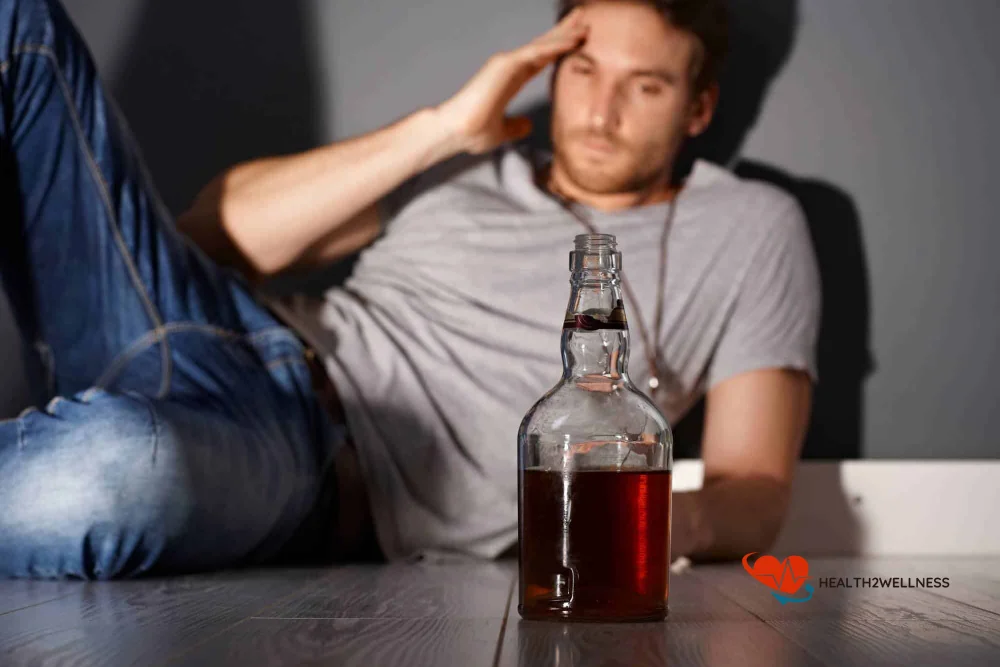
Fear is one thing that keeps people who really need alcohol detox from enrolling in a program. They don’t know what to expect. And because they fear the unexpected, they avoid the various opportunities they have to access detox services.
It’s unfortunate, as the long-term effects of alcohol misuse are often far worse than the temporary discomfort detox is known for. If a person can successfully detox and avoid relapse in the long term, a better, healthier life awaits.
Table of Contents
The Basics of Alcohol Detox
Detox is required when a person becomes physically and psychologically dependent on alcohol. A dependent person finds it hard to function without drinking. So, drinking is the first thing you do in the morning. A dependent person then continues to drink throughout the day.
Some people who misuse alcohol but are not yet clinically dependent can benefit from detox as well. Alcohol detox is the process of denying the body alcohol. This is so that it can cleanse itself of any alcohol still in the system.
The preferred method used to be cold turkey detox (detoxing without the aid of any medications or interventional therapies). However, contemporary detox programs utilise medical treatments. This enhances safety and reduces discomfort.
The Typical Detox Timeline
Alcohol abusers respond to detox in different ways. No detox scenario is identical to any other. However, we can apply some generalisations. Take the detox timeline. We have a general idea of what it looks like for heavy drinkers and long-term alcoholics.
The alcohol detox timeline, according to UK experts, is as follows:
6-12 Hours
The initial stage lasts from 6 to 12 hours. It is typified by mild withdrawal symptoms, including involuntary trembling (the shakes), anxiety, irritability, sweating, headache, and nausea. A person may also have trouble sleeping. Some people describe this early stage as ‘feeling rough’.
12-24 Hours
During the next stage, withdrawal symptoms gradually escalate in both severity and frequency. The person will experience increased shaking and sweating. Some begin experiencing mood changes. Others might experience hallucinations.
One complication during this phase is a drop in blood sugar. This is relatively common if the person doesn’t continue eating normally. A drop in blood sugar can cause dizziness and increased irritability.
24-48 Hours
The third stage of alcohol withdrawal is usually the worst. This is when withdrawal symptoms tend to peak. Headaches are most severe. Not only that, but they can also be accompanied by additional tremors, increased anxiety, and stomach upset.
More severe withdrawal symptoms are likely to emerge during this window. A person going through detox should expect confusion, increased heart rate, and higher blood pressure. Hallucinations and agitation are also not out of the question at this point.
48-72 Hours
Even though withdrawal symptoms usually peak at 24-48 hours, this fourth stage is the most critical of all. It is during this stage that the most severe complications are most likely to occur. They can include dangerously high temperatures and severe seizures. They can also include intense hallucinations and a condition known as delirium tremens.
If any of these problems arise during a home detox, getting urgent medical attention is critical. The complications might be life-threatening.
3-7 Days
By the end of the third day (72 hours) withdrawal symptoms have peaked and will begin subsiding. Most people experience a gradual lessening of the symptoms that wraps up somewhere around the seventh day.
However, a small number of withdrawal symptoms can persist after this point. The more commonly persistent are emotional instability, sleep disturbances, and alcohol cravings. Accessing support services is key to keeping ongoing symptoms from worsening.
2-4 Weeks
Nearly all physical withdrawal symptoms except cravings are likely to have subsided by the start of the second week. Mood swings and emotional fluctuations could continue as the person’s brain and body attempt to stabilise. This is more likely among long-term and heavy drinkers.
Natural improvements in liver function over this period lead to better feelings of physical health. But a person should not mistake this for a total cure. The chances of a relapse are still pretty high up through the fourth week.
Getting beyond five weeks without relapsing is a good sign. With continued aftercare and community support, a person getting to five weeks is in pretty good shape to avoid alcohol long-term.
Medically Supervised Detox Is Best
Reading about the typical detox timeline might be causing you to rethink a home detox plan. If that is the case, do yourself a favour and research medically supervised detox. Alcohol detox is inherently dangerous at some level regardless of your circumstances. It could be fatal if you were to develop serious complications while trying to detox at home.
UK experts recommend medically supervised detox as the safest option. It is offered under one of three scenarios:
- Inpatient – The inpatient scenario involves undergoing detox at an NHS hospital. It is the least common of the three because doctors are reluctant to recommend it.
- Outpatient – Outpatient detox involves a day program through which medical supervision is provided by a registered nurse. Patients report to the program every morning, where they receive medical care and therapy. Then they return home in the evening.
- Residential – Residential detox takes place and privately run clinics. In addition to physical detox, patients receive a range of therapies designed to address the mental and psychological aspects of addiction.
A residential program is likely the best option for most patients. However, residential treatment is costly. A person who cannot afford it should speak with a GP to try to enrol in an outpatient program.
Alcohol detox can take time. Most people need at least one week to break the physical dependence. An additional few weeks are necessary to address the mental and psychological aspects. It matters not whether detox is accomplished at home or with professional help. At the end of the day, detoxing from alcohol is rarely easy.