
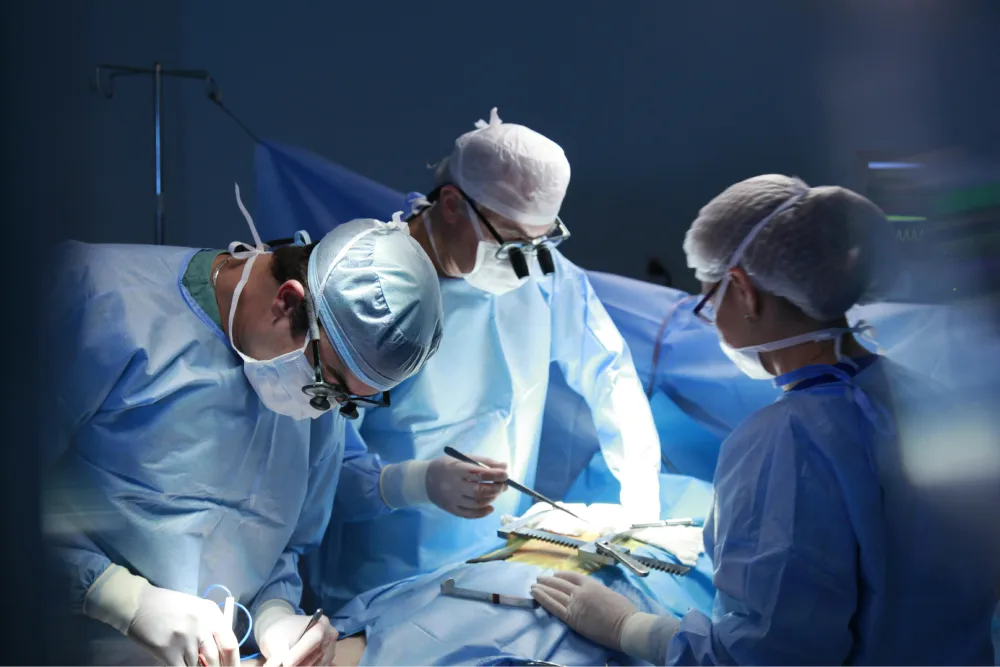
Sterilization is the cornerstone of safe and effective surgery. With the stakes high, ensuring surgical instruments are free from contamination is non-negotiable. Among the array of tools used in operating rooms, each comes with unique requirements for cleaning, maintenance, and sterilization. From reusable instruments to those arriving on site pre-sterilized, modern surgical equipment requires rigorous protocols.
Table of Contents
Importance of sterilization
Infection control is the main reason sterilization is so crucial. Surgical procedures inherently breach the body’s protective barriers, making patients vulnerable to pathogens. Proper sterilization prevents the transmission of infections, which can jeopardize recovery and potentially lead to severe complications, including sepsis and death. The use of sterilized instruments is not just a best practice but a requirement. Strict guidelines, including from the World Health Organization (WHO) and the Centers for Disease Control and Prevention (CDC), mandate sterilization protocols. These guidelines ensure consistency and safety across diverse healthcare settings.
Methods of sterilization
Various methods are employed, depending on an instrument’s material and usage. These include:
- Autoclaving, which uses high-pressure saturated steam to eliminate microorganisms. It’s highly effective for heat-resistant tools.
- Radiation, which is often used for disposable instruments and pre-packaged sterile equipment, ensuring items remain uncontaminated during transport and storage.
- Chemical sterilization, such as ethylene oxide gas and hydrogen peroxide vapor, for heat-sensitive instruments.
- Dry heat sterilization, used for materials that may corrode or dull in moist conditions.
Each of these requires strict monitoring to maintain efficacy. Temperature, pressure, and exposure time must be carefully controlled.
Equipment that arrives sterile
In modern healthcare, pre-sterilized surgical instruments have become more common. These tools are packaged and sterilized by manufacturers before they reach the hospital. They’re designed for immediate use, saving time and reducing the risk of contamination during handling. A modern self-retaining retractor for surgery such as the Galaxy II arrives sterile and is single-use only. These retractors hold tissues or organs in place, freeing surgeons’ hands to focus on the operation.
There are also disposable surgical kits, tailored for specific procedures and including scalpels, scissors, clamps, and sutures. The main benefit is convenience, especially in emergency and field settings where sterilization facilities can be limited.
Challenges in maintaining reusable instruments
Pre-sterilized tools have their advantages, but reusable instruments still dominate most operating rooms. These require meticulous cleaning and maintenance to ensure longevity and safety. Thorough cleaning is the first step in sterilizing reusable instruments. Organic debris, such as blood and tissue, must be removed to allow sterilization agents to reach every surface. Cleaning methods include manual scrubbing, ultrasonic cleaners, and enzymatic solutions.
After cleaning, instruments are inspected for damage and wear. Even minor flaws can compromise performance. For example, a dull scalpel may require excessive force, increasing risk to the patient. Regular maintenance ensures instruments remain functional. Hinged tools like scissors may need lubrication to prevent stiffness and delicate instruments, such as endoscopes, require specialized care to avoid damaging their intricate components.
Modern instrument sterilization
Advances in technology are improving sterilization methods and equipment. Innovations like automated cleaning systems and smart sterilizers reduce human error. The trend towards disposable, pre-sterilized instruments is expected to grow, with these tools improving surgical outcomes and streamlining operations in busy healthcare environments.