

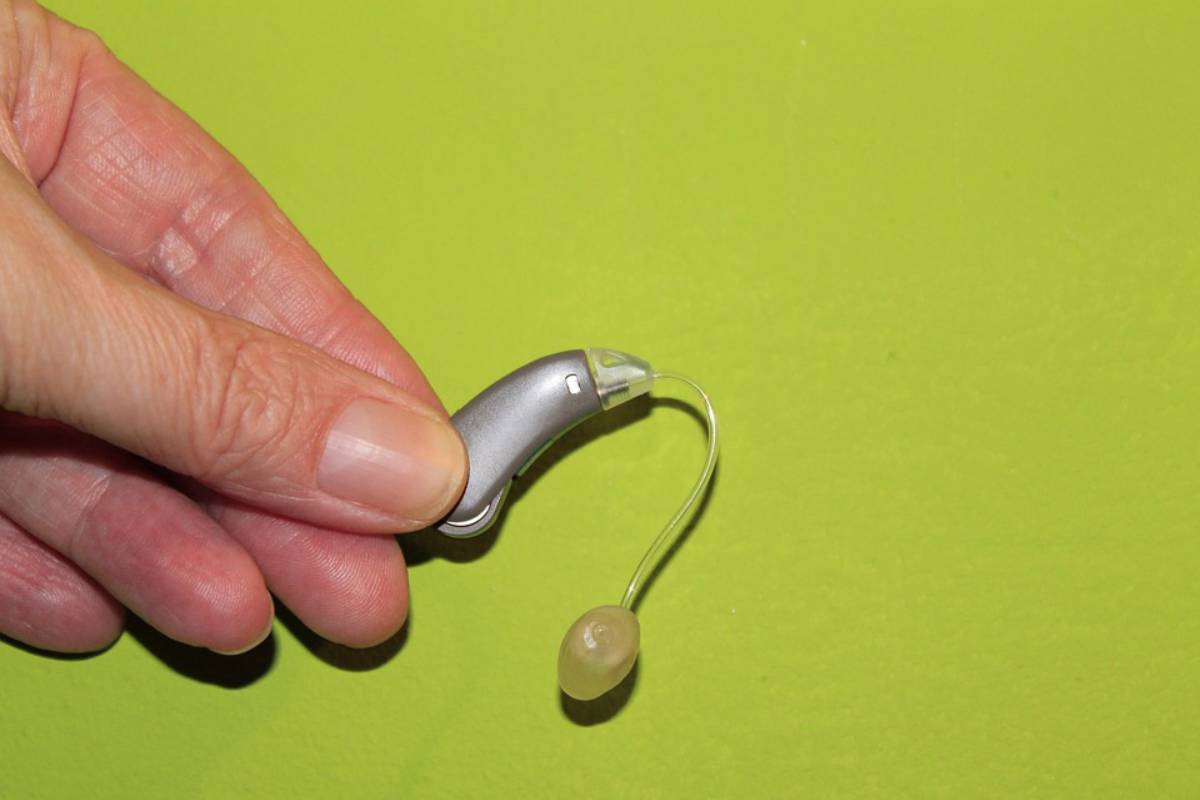
In today’s technologically advanced world, choosing hearing aid batteries isn’t a one-size-fits-all decision anymore. Hearing aids themselves come in a variety of options, and from there you can choose between rechargeable and disposable batteries based on your preferences.
While all hearing aids, no matter what type you choose, have a microphone, receiver, and battery in them, they are not all built the same. But the battery itself is a crucial part of the hearing aid because if it doesn’t work well or loses power quickly, your hearing aid is useless.
Before you decide which type of battery you prefer, you should know the basic concepts about each one and compare the advantages and disadvantages of each.
Disposable or Rechargeable – Which One is Better?
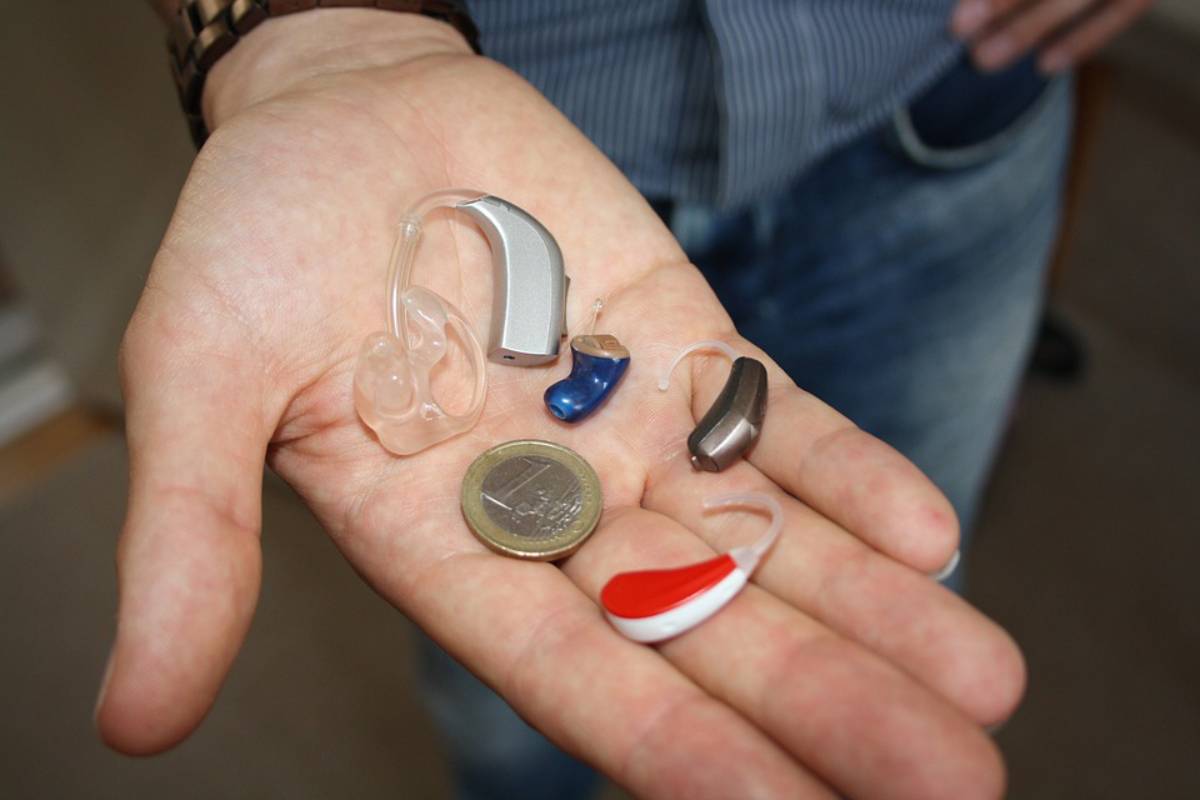
Each one has its own preferences, but there are some specific pros and cons to each battery. Here are 3 advantages and disadvantages so that you can form your own opinion.
1. Disposable batteries are easily replaced. Even though the shelf life isn’t as long in disposable batteries – they tend to last about 5 to 7 days from when you pull the color-coded tab to insert them in your hearing aids – you can buy them at just about any grocery or department store.
This gives them an advantage over rechargeable batteries, especially if you travel a lot. You can’t run to the store and buy the charger and batteries cheaply if you lose or forget them. However, if you do lose your rechargeable batteries, there are programs to help you find them. Check out Miracle-Ear’s hearing aid finder as an example.
2. Rechargeable batteries don’t have to be changed. As we get older, many of us lose some of our dexterity, especially when it comes to fumbling with small parts. Because of this, the concern of replacing tiny hearing aid batteries is frequently a deterrent to many people. They’d rather not hear at all than to deal with the stress.
But rechargeable hearing aids prevent this problem. The hearing aids can simply be placed on the charger when you aren’t using them, or while you are sleeping, and they will be freshly charged and ready to go when you are. However, the disadvantage is that they don’t last as long as disposable batteries, so you have to make sure you charge them frequently.
3. The cost is both an advantage and a disadvantage. While you’ll pay more upfront for the rechargeable hearing aids, you won’t have to replace the batteries often over time as you do with disposables.
There are ways to extend the life of your disposables, but on average, a set of hearing aids uses more than 300 disposable batteries over a period of less than five years. During this same time, the average person would only have to use two rechargeables. This fact is also appealing to those looking to be more eco-friendly since you’ll avoid disposing of hundreds or thousands of useless batteries.
Which One is correct For You?
Ultimately, the choice comes down to your preferences. Do you enjoy the ability to grab your hearing aid batteries anywhere you go. Even if you have to change them frequently? Or would you rather set them down and forget about them until they’re charged? Is the upfront fee a consideration or would you rather save money over time but pay more at first?
With those advantages and disadvantages in mind. You can make an informed decision as to which hearing aid battery is right for you.
Helpful Resources:
1. The 10 Best Electric Toothbrush in 2019
3. Best Exercises For A Complete Back Workout
4. Acai Bowl