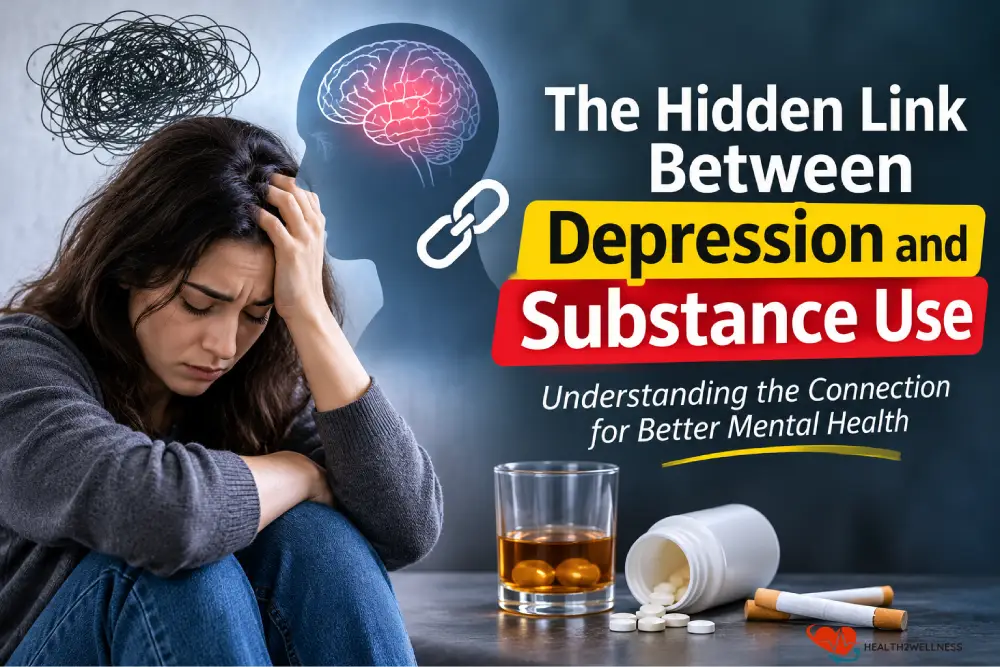
You’ve probably noticed that when you’re feeling down, the urge to drink or use substances becomes stronger. Or maybe it’s the opposite—your substance use leaves you feeling empty and depressed the next day. This isn’t coincidence. Depression and substance use are deeply interconnected, and understanding this relationship is one of the most important steps you can take toward feeling better.
Nearly one in three people struggling with depression also experience challenges with alcohol or drug use. This bidirectional relationship means that depression can lead to substance use as a way to cope, while substance use can trigger or worsen depression. When both conditions exist simultaneously, they create a cycle that becomes increasingly difficult to break without proper support.
The brain chemistry involved tells us why this connection is so powerful. Both depression and substance use disorders affect the same neurotransmitters—particularly dopamine and serotonin—that regulate mood, pleasure, and motivation. When you use substances to feel better temporarily, you’re essentially borrowing happiness from tomorrow, which deepens the depressive symptoms over time.
Table of Contents
Why Traditional Approaches Often Fall Short
You might have tried addressing your depression or substance use separately, only to find that progress in one area seems to unravel progress in the other. This frustrating experience is incredibly common, and it’s not your fault. For decades, the healthcare system treated mental health conditions and substance use disorders as separate issues, sending people to different providers and programs.
This fragmented approach creates several problems. First, it requires you to tell your story multiple times to different professionals who may not communicate with each other. Second, treatment for one condition might contradict treatment for the other. For example, some addiction programs historically discouraged the use of psychiatric medications, while some mental health providers didn’t feel equipped to address substance use.
Most importantly, treating these conditions separately ignores the reality of how they function in your life. Your depression and substance use aren’t two separate problems—they’re intertwined aspects of your overall health that influence and reinforce each other. Addressing them together, rather than sequentially or separately, gives you the best chance of lasting recovery.
What Integrated Treatment Actually Means
Integrated treatment approaches both conditions simultaneously with a coordinated team. Instead of bouncing between a therapist for your depression and a counselor for substance use, you work with professionals who understand both conditions and how they interact in your specific situation.
This approach recognizes that your depression might be a primary condition that led to substance use as self-medication, or that your substance use might have triggered depressive symptoms, or that both conditions developed independently but now fuel each other. The treatment plan addresses your unique situation rather than following a one-size-fits-all protocol.
Integrated care typically includes several components working together. You’ll receive therapy that addresses both the thought patterns contributing to depression and the behaviors maintaining substance use. Medication management, when appropriate, considers how psychiatric medications and addiction treatment medications can work together safely. Skills training helps you develop healthy coping mechanisms that address both conditions.
Many people find that dual diagnosis treatment in Billings and similar integrated programs offer the comprehensive support needed to address co-occurring conditions effectively, providing coordinated care that treats the whole person rather than isolated symptoms.
The Role of Trauma in Co-Occurring Conditions
If you’ve experienced trauma—whether a single event or ongoing difficult experiences—this adds another layer to the relationship between depression and substance use. Trauma fundamentally changes how your brain processes stress and emotions, making you more vulnerable to both depression and substance use disorders.
Post-traumatic stress can manifest as depression, with symptoms like emotional numbness, hopelessness, and withdrawal from activities you once enjoyed. At the same time, trauma survivors often turn to substances to manage intrusive memories, nightmares, or hypervigilance. The substances provide temporary relief but ultimately worsen both the trauma symptoms and depression.
Trauma-informed treatment recognizes these connections and creates a safe environment for healing. This approach understands that certain therapeutic techniques or environments might trigger trauma responses, and it prioritizes your sense of safety and control throughout the treatment process. Healing from trauma often becomes a central component of recovering from both depression and substance use.
Evidence-Based Therapies That Address Both Conditions
Several therapeutic approaches have strong research support for treating co-occurring depression and substance use. Cognitive Behavioral Therapy (CBT) helps you identify and change thought patterns that contribute to both conditions. You’ll learn to recognize triggers, challenge negative thinking, and develop alternative responses to difficult emotions.
Dialectical Behavior Therapy (DBT) teaches specific skills for managing intense emotions, tolerating distress, and improving relationships—all areas that typically need attention when you’re dealing with depression and substance use together. The mindfulness component of DBT helps you stay present rather than using substances to escape or ruminating on depressive thoughts.
Motivational Enhancement Therapy focuses on strengthening your own motivation for change. Rather than confrontational approaches, this therapy helps you explore your ambivalence, identify your personal reasons for recovery, and build confidence in your ability to change. This is particularly helpful when depression saps your motivation and energy.
Group therapy provides unique benefits that individual therapy cannot. Connecting with others who understand the dual challenge of depression and substance use reduces isolation and shame. You’ll learn from others’ experiences, practice new skills in a supportive environment, and build a recovery community that extends beyond formal treatment.
The Medication Question: Finding What Works for You
The decision about whether to use medication as part of your treatment is deeply personal and should be made collaboratively with healthcare providers who understand both depression and substance use disorders. Some people worry that taking medication for depression means substituting one substance for another, but this reflects a misunderstanding of how psychiatric medications work.
Antidepressants correct chemical imbalances in the brain; they don’t produce euphoria or create dependency the way substances of misuse do. When depression has a biological component—which it often does—medication can provide the foundation that makes therapy and other interventions more effective. Think of it like treating diabetes with insulin; you’re correcting a medical condition, not masking symptoms.
For substance use disorders, medication-assisted treatment has proven highly effective for certain substances, particularly opioids and alcohol. These medications reduce cravings, prevent withdrawal symptoms, and normalize brain chemistry, making it possible to engage fully in therapy and build recovery skills. When depression co-occurs, combining addiction treatment medications with antidepressants requires careful coordination but can be done safely and effectively.
The key is working with providers who understand the interactions between different medications and who will monitor your response carefully. Some antidepressants work better than others when substance use is also present, and finding the right medication often requires patience and adjustments.
Lifestyle Changes That Support Recovery from Both Conditions
While professional treatment is essential, the daily choices you make significantly impact your recovery from both depression and substance use. These lifestyle factors aren’t optional extras—they’re fundamental to healing your brain and building a life that supports long-term wellness.
Sleep disturbances plague both depression and substance use recovery. Substances disrupt your natural sleep architecture, while depression can cause either insomnia or excessive sleeping. Establishing consistent sleep routines, creating a restful environment, and addressing sleep problems directly with your treatment team can dramatically improve both mood and recovery outcomes.
Physical activity acts as a powerful antidepressant and reduces substance cravings. You don’t need to become an athlete; even 20-30 minutes of moderate activity most days produces measurable benefits. Exercise releases endorphins, improves sleep, reduces stress, and gives you a healthy way to regulate emotions. Finding activities you genuinely enjoy increases the likelihood you’ll stick with them.
Nutrition often gets overlooked, but what you eat directly affects your brain chemistry and mood. Substance use typically leads to poor nutrition, and depression often reduces appetite or leads to comfort eating. Working with a nutritionist who understands recovery can help you develop eating patterns that support brain healing and stable mood.
Social connection protects against both depression and substance use relapse. Depression tells you to isolate, while recovery requires you to build supportive relationships. This creates a difficult paradox, but gradually expanding your social network with people who support your recovery becomes increasingly important over time. This might mean joining support groups, reconnecting with family members, or developing new friendships in recovery-oriented activities.
Building Your Relapse Prevention Plan
Recovery isn’t a straight line, and having a plan for managing setbacks prevents them from becoming full relapses. Your relapse prevention plan should address both depression and substance use, recognizing that a setback in one area increases vulnerability in the other.
Start by identifying your specific warning signs. For depression, this might include withdrawing from friends, disrupted sleep, or increased negative thinking. For substance use, warning signs might include romanticizing past use, spending time with people who use, or stopping your recovery activities. The earlier you recognize these signs, the easier it is to course-correct.
Develop a hierarchy of responses for different levels of risk. Minor warning signs might require reaching out to a friend or attending an extra support group meeting. More serious warning signs might mean contacting your therapist, adjusting medication, or increasing the intensity of your treatment temporarily. Knowing your action steps in advance makes it easier to respond effectively when you’re struggling.
Include specific people to contact in your plan. Write down names and phone numbers of your therapist, psychiatrist, supportive friends or family members, and crisis resources. When you’re in the middle of a difficult moment, you won’t have to think about who to call—you’ll have it written down.
The Importance of Addressing Co-Occurring Conditions
Depression and substance use disorders aren’t the only conditions that commonly occur together. Anxiety disorders, PTSD, bipolar disorder, ADHD, and OCD frequently co-occur with substance use. Each combination creates unique challenges and requires specialized understanding.
Anxiety and substance use often develop a particularly tight relationship, with substances used to manage social anxiety, panic attacks, or generalized worry. However, many substances actually increase anxiety over time, creating a worsening cycle. Treatment needs to address both the underlying anxiety and develop alternative coping strategies.
Bipolar disorder presents special challenges because substances can trigger mood episodes, and the impulsivity during manic phases increases substance use risk. Mood stabilization becomes a primary treatment goal, and medication typically plays a central role alongside therapy and lifestyle management.
ADHD often goes undiagnosed in people who develop substance use disorders, with substances sometimes used unconsciously to self-medicate attention and focus difficulties. Proper diagnosis and treatment of ADHD can significantly improve substance use recovery outcomes.
Cultural Considerations in Recovery
Your cultural background, beliefs, and community connections shape your experience of mental health and substance use. Effective treatment recognizes and incorporates these cultural factors rather than imposing a one-size-fits-all approach.
For Indigenous individuals, trauma is often intergenerational, stemming from historical and ongoing oppression. Culturally grounded healing approaches that incorporate traditional practices alongside evidence-based treatment can be particularly powerful. These approaches recognize that healing happens not just individually but within community and cultural context.
Cultural stigma around mental health and substance use varies widely across different communities. Some cultures view these issues as personal weakness or family shame, making it harder to seek help. Finding providers who understand your cultural context and can help you navigate these barriers while respecting your cultural identity is important for successful treatment.
Spiritual and religious beliefs often play a central role in recovery, providing meaning, community, and moral guidance. Whether through traditional 12-step spirituality, specific religious practices, or Indigenous spiritual traditions, incorporating your beliefs into your recovery plan strengthens your foundation.
When to Seek Professional Help
If you’re reading this and recognizing yourself in these descriptions, you might be wondering whether you need professional help or if you can manage on your own. While everyone’s situation is different, certain signs indicate that professional treatment would significantly benefit you.
Seek help if your substance use has increased over time, if you’ve tried to cut back but couldn’t, or if your use is causing problems in your relationships, work, or health. Similarly, if your depression has lasted more than two weeks, is interfering with daily functioning, or includes thoughts of self-harm, professional support is important.
When both conditions are present, the need for professional help increases significantly. The interactive effects make self-management much more difficult, and the risk of the conditions worsening over time is substantial. Early intervention prevents more serious problems and generally leads to better outcomes.
Don’t wait until you’ve hit rock bottom. This outdated idea that people need to lose everything before they can recover has been thoroughly debunked. The earlier you address co-occurring depression and substance use, the more of your life you preserve and the easier recovery becomes.
Creating Your Path Forward
Recovery from co-occurring depression and substance use is absolutely possible, and thousands of people build meaningful, fulfilling lives after struggling with both conditions. Your path forward starts with recognizing that these conditions are connected and require integrated treatment.
Begin by reaching out for help. This might mean calling a treatment center, talking to your doctor, or confiding in someone you trust who can help you find resources. Taking this first step is often the hardest part, but it opens the door to the support and treatment you need.
Be patient with yourself. Healing takes time, and you’ll have ups and downs along the way. Progress isn’t always linear, and setbacks don’t erase the progress you’ve made. Each day you work toward recovery, you’re strengthening the neural pathways that support wellness and weakening the ones that maintained depression and substance use.
Remember that recovery isn’t just about stopping substance use or eliminating depression symptoms—it’s about building a life worth living. As you progress in treatment, you’ll rediscover interests and passions, repair relationships, and develop a sense of purpose. This positive momentum makes sustained recovery increasingly natural over time.
You don’t have to face this alone. Integrated treatment for co-occurring conditions provides the comprehensive support you need to address both depression and substance use together. With the right help, you can break free from the cycle that’s been holding you back and create the life you deserve.