
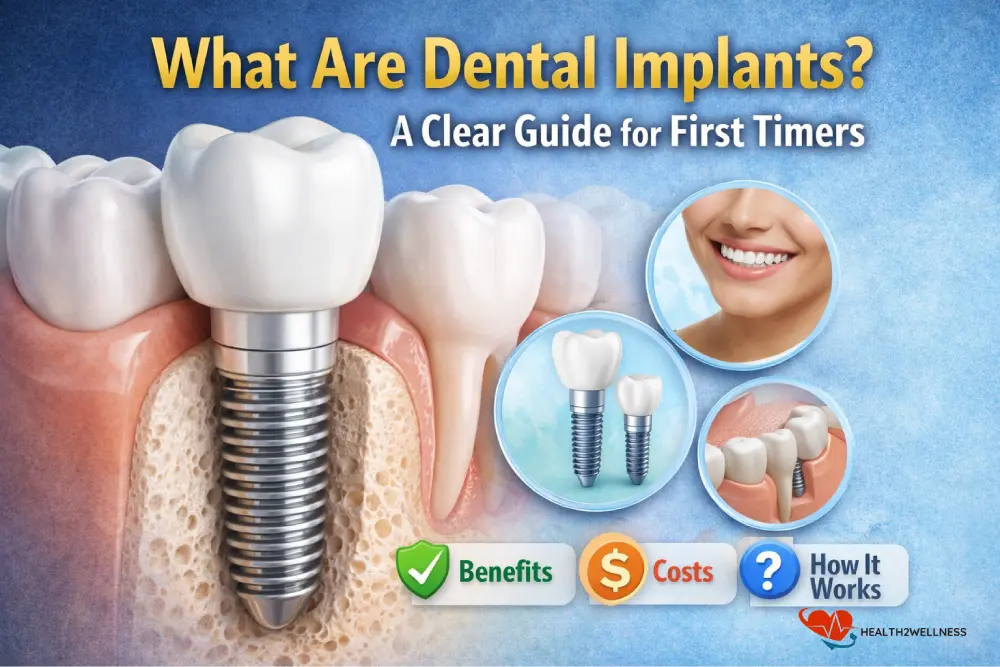
If you have been told you need a dental implant, or you are simply exploring your options after losing a tooth, you may be wondering exactly what they are and whether they are right for you. In simple terms, a dental implant is a small titanium post placed into the jawbone to replace the root of a missing tooth.
Once healed, it supports a crown that looks and feels like a natural tooth. For many people, dental implants offer a safe way of restoring both function and appearance without affecting neighbouring teeth.
Tooth loss is more common than many realize. The Oral Health Foundation reports that around 6% of adults in the United Kingdom have no natural teeth at all, while many more are missing at least 1 tooth. Understanding how implants work can help you decide whether they could be the right solution for you.
Table of Contents
Why Might I Need A Dental Implant?
You may need a dental implant if you have lost a tooth due to decay, gum disease, trauma or a failed root treatment. Leaving a gap can lead to more than just cosmetic concerns. Teeth next to the space can shift, your bite can change and the jawbone beneath the gap can gradually shrink.
When a tooth root is no longer present, the surrounding bone no longer receives stimulation from chewing. Over time, this can result in bone loss, which may alter the shape of your face. An implant replaces the missing root, helping to maintain bone density and preserve your natural facial structure.
Implants can be used to replace a single tooth, several teeth or even to support a full arch of replacement teeth. They are fixed in place, unlike removable dentures, which many people find more convenient and comfortable.
How Do Dental Implants Work?
A dental implant consists of three main parts. The first is the titanium post, which is surgically placed into the jawbone. Titanium is used because it is biocompatible, meaning the body accepts it and allows the bone to fuse with it. This process is known as osseointegration and usually takes a few months.
The second part is the abutment, which connects the implant post to the final restoration. The third part is the crown, a custom made artificial tooth designed to match the colour and shape of your natural teeth.
Once the implant has fully integrated with the bone, it functions much like a natural tooth root. It provides a stable foundation for biting and chewing and does not rely on neighbouring teeth for support, unlike traditional bridges.
Is The Procedure Painful?
It is natural to feel anxious about the idea of surgery. However, implant placement is usually carried out under local anaesthetic, so you should not feel pain during the procedure. Some patients choose additional sedation if they are particularly nervous.
After the treatment, mild swelling or discomfort is common for a few days. This can normally be managed with over the counter pain relief and by following your dentist’s aftercare advice. Most people are pleasantly surprised by how straightforward the recovery is.
A thorough dental examination is always carried out beforehand to assess your oral health, bone levels and suitability for treatment. In some cases, additional procedures such as bone grafting may be recommended to ensure the implant has a strong foundation.
Who Is Suitable For Dental Implants?
Many adults are suitable candidates for implants, but good overall and oral health are important. Healthy gums and adequate bone are key factors in long term success. Smokers and individuals with uncontrolled diabetes may face a higher risk of complications, although this does not automatically rule out treatment.
According to research published in the International Journal of Oral and Maxillofacial Implants, dental implants have a success rate of around 95% over 10 years in healthy patients. This makes them one of the most predictable and reliable options for tooth replacement.
Your dentist will consider your medical history, lifestyle and expectations before recommending treatment. Every case is unique, so a personalized assessment is essential.
How Do I Care For A Dental Implant?
Although implants cannot develop decay, the surrounding gum tissue can still become inflamed if plaque builds up. This condition, known as peri implant disease, can compromise the stability of the implant if left untreated.
Daily brushing, interdental cleaning and regular check ups are vital. Professional hygiene appointments help keep the area around the implant healthy and allow early detection of any issues.
With proper care, dental implants can last for many years, often decades. They are designed to blend seamlessly with your natural teeth, allowing you to eat, speak and smile with confidence.
Choosing to replace a missing tooth is an important decision. By understanding what dental implants are, how they work and what is involved in the process, you can approach treatment feeling informed and reassured.