
Table of Contents
A Genre Once Narrow Now Expanding
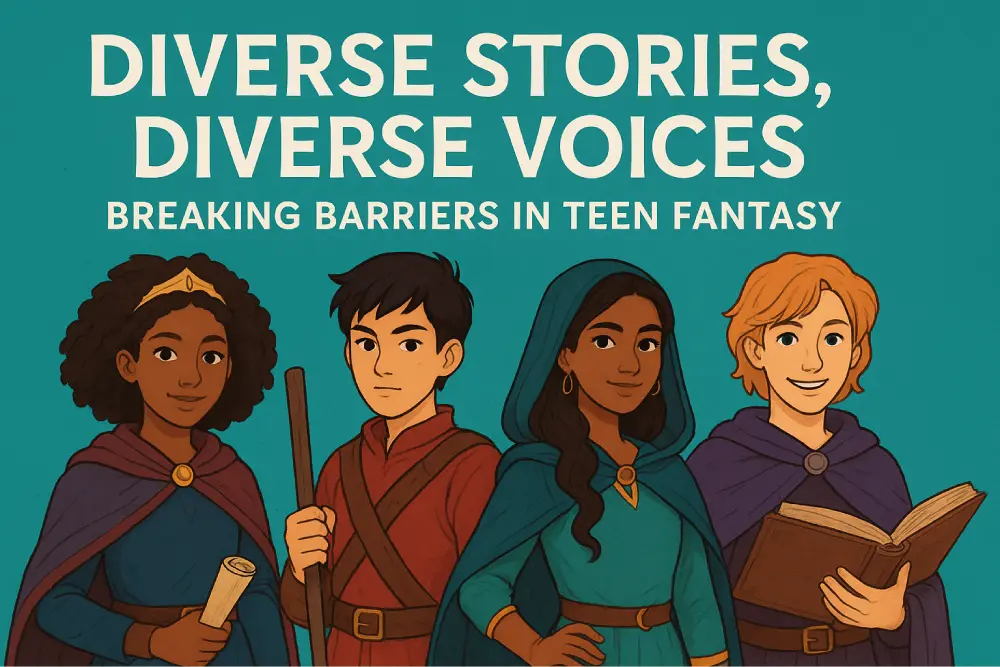
Teen fantasy used to follow a pretty familiar script. A chosen one. A hidden power. A prophecy etched in stone. The heroes were often cut from the same cloth—white straight able-bodied and from worlds not unlike medieval England. But that’s no longer the rule of the game. A fresh wave of writers is reshaping what teen fantasy can look like and who gets to take center stage.
These new voices aren’t just adding flavor to the genre—they’re changing its bones. Authors from underrepresented backgrounds are building worlds rooted in their own cultures folklore and lived experiences. The result is a richer deeper kind of storytelling where the magic doesn’t come from castles and dragons alone but from language memory history and struggle.
People can find a very wide collection of books using Z lib where titles from lesser-known but powerful authors often hide in plain sight. These stories are not just fiction—they’re windows and mirrors offering fresh reflections and challenging old assumptions.
The Power of Seeing Yourself in the Story
Representation in fantasy isn’t a nice-to-have. It’s a heartbeat. When teens see themselves as heroes villains rebels and kings it stirs something deep. A Black girl wielding a magical staff in “Children of Blood and Bone” or a queer shapeshifter in “Cemetery Boys” doesn’t just tell a cool story—it says this world has space for everyone.
These stories become tools for empowerment. They chip away at the quiet messages that say some people aren’t meant for greatness or adventure. Instead they whisper something bolder: your story matters your voice belongs and your identity is not a plot twist—it’s the plot.
This shift in storytelling hasn’t gone unnoticed. Book bans and challenges often hit hardest against stories that dare to be honest about race gender or sexuality. But that resistance only proves their power. Stories that shake the ground will always meet pushback. They also tend to stick around.
Shaping the Future of Fantasy Through Fresh Lenses
Authors aren’t the only ones breaking barriers. Readers publishers librarians and educators are all playing a part. The hunger for stories that feel real and relevant has pushed the market to open doors that were once sealed shut.
There’s also been a shift in who gets to be the gatekeeper. Online communities fan-made lists and indie review blogs now have real sway in shaping which books get attention. The result? More risks more debuts more messy beautiful experiments that don’t fit the old mold—and that’s a good thing.
Some of the most powerful changes come from small moments in the text. A name that reflects a different heritage. A family dynamic that challenges stereotypes. A hero whose journey isn’t about fixing what’s broken in them but understanding why the world made them feel broken to begin with.
Before going further here’s a quick look at some ways diverse teen fantasy is making waves:
● Intertwining Cultural Myths with Modern Magic
Books like “The Girl Who Fell Beneath the Sea” or “Black Sun” build on legends that existed long before Western fairy tales. They don’t just borrow—they reclaim. These stories mix ancestral beliefs with present-day stakes creating layered narratives where culture isn’t just a setting but a source of power.
● Centering Queer and Gender-Expansive Characters
Fantasy gives room to play with identity and many authors are taking that freedom seriously. From nonbinary protagonists to magical systems tied to gender fluidity the genre is proving it can be a place for personal truth not just metaphor. And these aren’t side characters—they’re leading the charge.
● Breaking Language Barriers Within the Story
Multilingual characters shifting narrative perspectives and culturally specific dialogue rhythms are changing how fantasy reads. It’s no longer about fitting into one literary voice. It’s about letting stories breathe in all the ways people speak dream and survive.
In many of these books one can feel the pulse of something new. There’s a quiet rebellion in choosing to name a character after a grandmother or to have a spell spoken in a language that once felt silenced. This isn’t just fantasy—it’s resistance wearing a cloak and a crown.
More Than Escapism—A Way Through
Teen fantasy has always promised escape. But the best of it now offers more. It offers a way to imagine healing to explore rage to rewrite endings that felt out of reach. It’s where broken systems can fall and new ways of living can rise from the ashes.
These stories don’t fix the world. But they give readers a way to face it with clearer eyes and maybe even a spark of magic in their back pocket. And that’s worth turning the page for.